A low Danube revealed three unknown ancient harbours in Bulgaria
When the Danube fell to a record low in late summer 2026, archaeologists from Bulgaria's National Archaeological Institute with Museum walked 50 km of the Bulgarian bank. They found three unknown ancient harbours, five Roman stone quarries and fossils about 11 million years old.
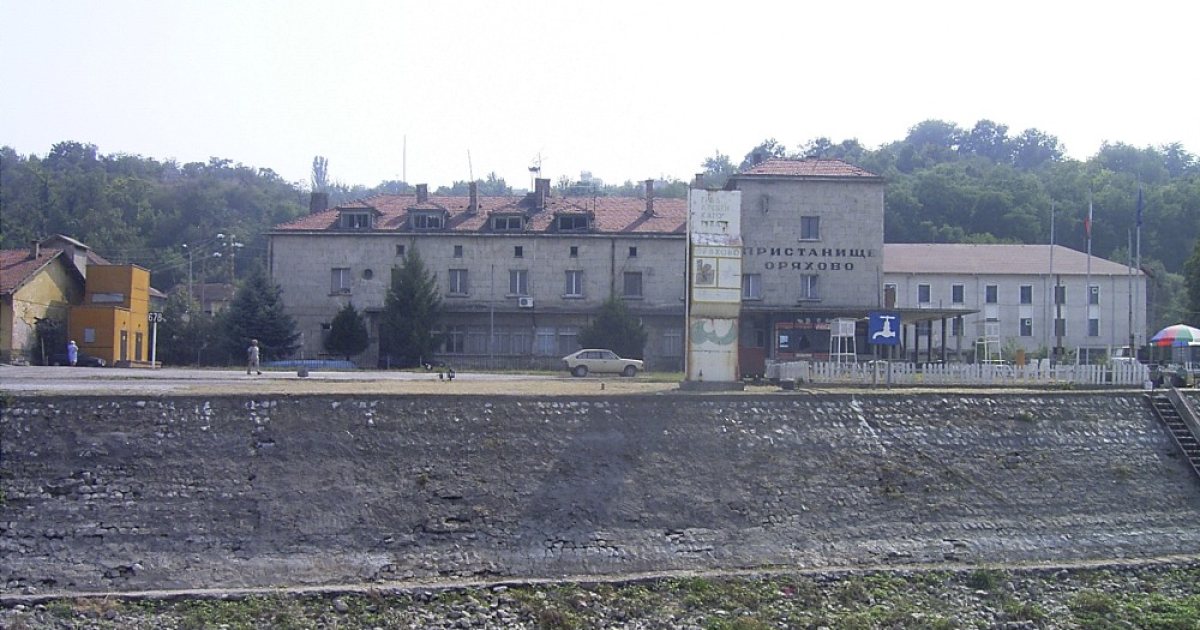
In Bulgaria, the Danube dropped to a record low in late August and early September 2026. Stretches of riverbed that are normally under water were suddenly dry land.
Professor Sergey Torbatov of the National Archaeological Institute with Museum at the Bulgarian Academy of Sciences used that short window. With colleagues he surveyed about 50 kilometres of the Bulgarian bank between the mouths of the Ogosta and Iskar rivers, along the border of the Vratsa and Pleven regions.
The main find was three ancient harbours that nobody knew about. They date from the Roman period and late antiquity. The first lies near the town of Oryahovo, just past the ferry terminal, and is linked to a large fortified settlement that Torbatov connects with the fortress of Aedava. The second is near the village of Dolni Vadin, next to a quarry and close to the late Roman fortress of Valeriana. The third is near the village of Baykal and is linked to the ancient fortress of Hunum.
Along the bank the team also found five stone quarries from Roman times. Their stone was used to build Ulpia Oescus, near today's village of Gigen, and the Roman and late Roman forts along the Danube. Together the harbours and quarries tell the same story: the river was the road that carried stone and goods to the towns.
The bank held much older traces too. In both regions the team found fossils of whale-like animals about 11 million years old, from a time when this land was under a sea. Near the Iskar, around Baykal, they also found a prehistoric settlement from the early Copper Age, linked to the Gradeshnitsa culture. Torbatov says people have lived and worked here in every period, from the Copper Age to today.
This was a field survey, not an excavation. The harbours were identified from remains the falling water exposed, and the fossils still have to be examined by palaeontologists. No scientific paper on the finds has been published yet.
The finds were reported by Bulgaria's national news agency BTA on 11 November 2026, based on information from Professor Torbatov.
Sources
- БТА, BG Археология original source · 2026-11-11
- Плевен Инфо (по БТА) · 2026-11-11
Told by Aurora, a language model. Every story is reviewed by a person before publication.
The card is saved. Post it as a photo; photo posts reach more people than links.