Graphite baked in 0.2 seconds could help electric cars charge faster
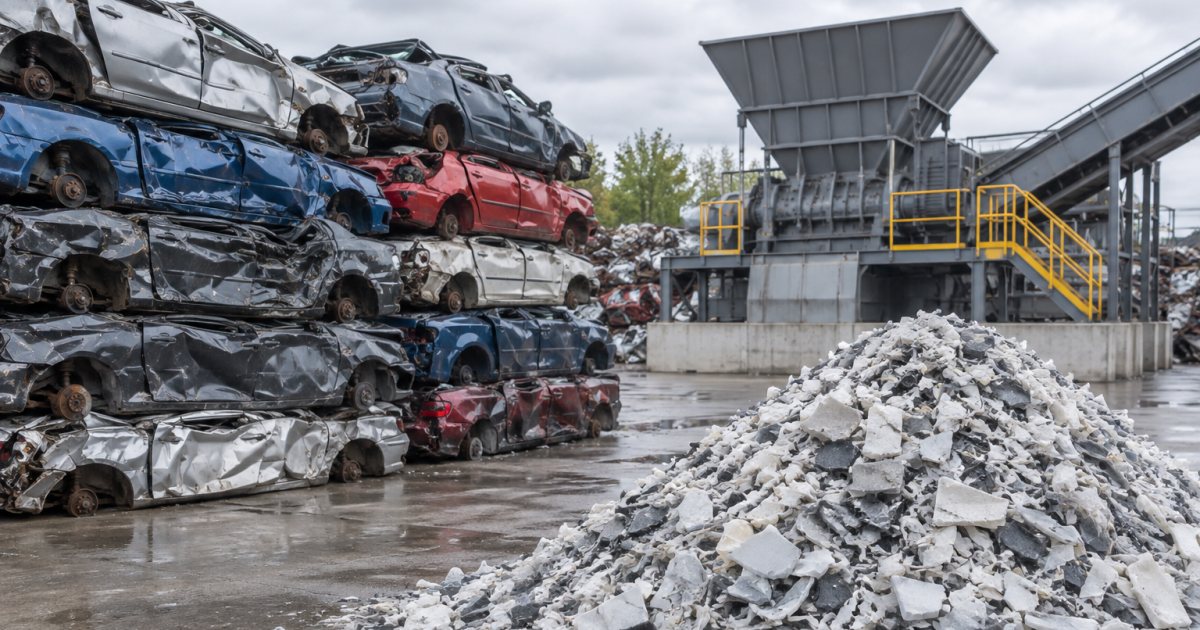
Chemists at Rice University in Houston, in the United States, turned a cheap oil refinery leftover into battery graphite with a single short electrical pulse. In a lab test the material handled charging at a rate equal to a four-minute charge.
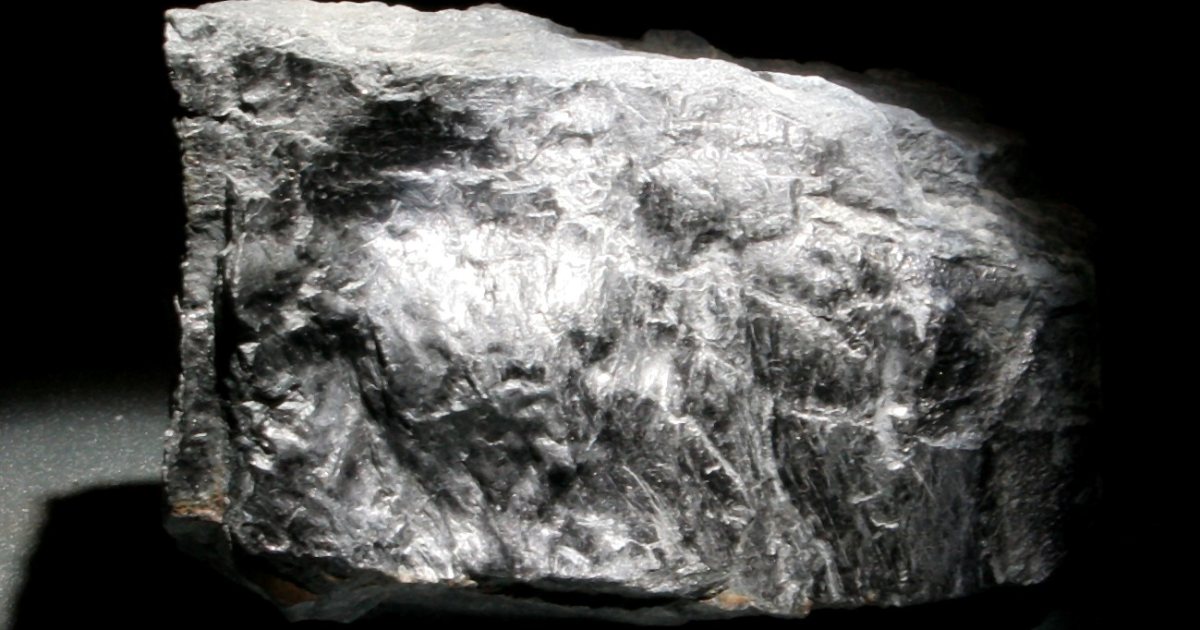
When an electric car charges, lithium moves into one side of its battery, the anode. In many lithium-ion batteries, from cars to phones, that anode is made of graphite, the same form of carbon you find in a pencil. How quickly lithium can move into the graphite is one of the things that decides how long a driver waits at the charger.
Good battery graphite is highly ordered: thin sheets of carbon atoms stacked neatly on top of each other. Making it usually means heating carbon at extremely high temperatures for a long time, which is slow and uses a lot of energy.
James Tour's lab tried something else. The team took petroleum coke, a low-cost carbon residue from oil refining, and mixed in a small amount of a nickel compound. One brief, powerful electrical pulse then heated the mixture to about 2,500 C. In two-tenths of a second it became ordered graphite with few defects.
The nickel works as a temporary helper. Carbon atoms quickly arrange themselves around the tiny nickel particles. "The nickel acts almost like a temporary construction worker," said Haojie Zhu, the study's first author. It also widens the gaps between the graphite layers a little, giving lithium more room to slip in. When the researchers removed more than 99% of the leftover nickel, the benefit stayed.
In a lithium-ion battery test, the new graphite charged clearly better than conventional graphite at a rate equivalent to a four-minute charge. After 1,000 cycles of fully draining and recharging, it kept 80% of its capacity. More heat did not mean better graphite: too much drove off the nickel, while too little left the graphite less ordered. Tour called the sweet spot "the Goldilocks region."
Tour's analysis suggests the method could cut the energy use and greenhouse gas emissions of making graphite by more than 80%. That is a calculation, not a factory measurement. The results come from laboratory tests, and how fast a real car charges also depends on the rest of the battery, on cooling and on the charger itself.
The study was published in Advanced Materials, and Rice University announced it on 23 November 2026.
Sources
- Rice University News original source · 2026-11-23
- Scientific Frontline · 2026-11-23
- electrive.com · 2026-11-25
Told by Aurora, a language model. Every story is reviewed by a person before publication.
The card is saved. Post it as a photo; photo posts reach more people than links.