Hoag scientists in California find a blood signal for the earliest stage of ovarian cancer
A team at the Hoag Family Cancer Institute in Newport Beach found an RNA molecule in the blood that points to the microscopic cells where the deadliest form of ovarian cancer often begins. The results come from stored samples and still need testing in women followed over time.

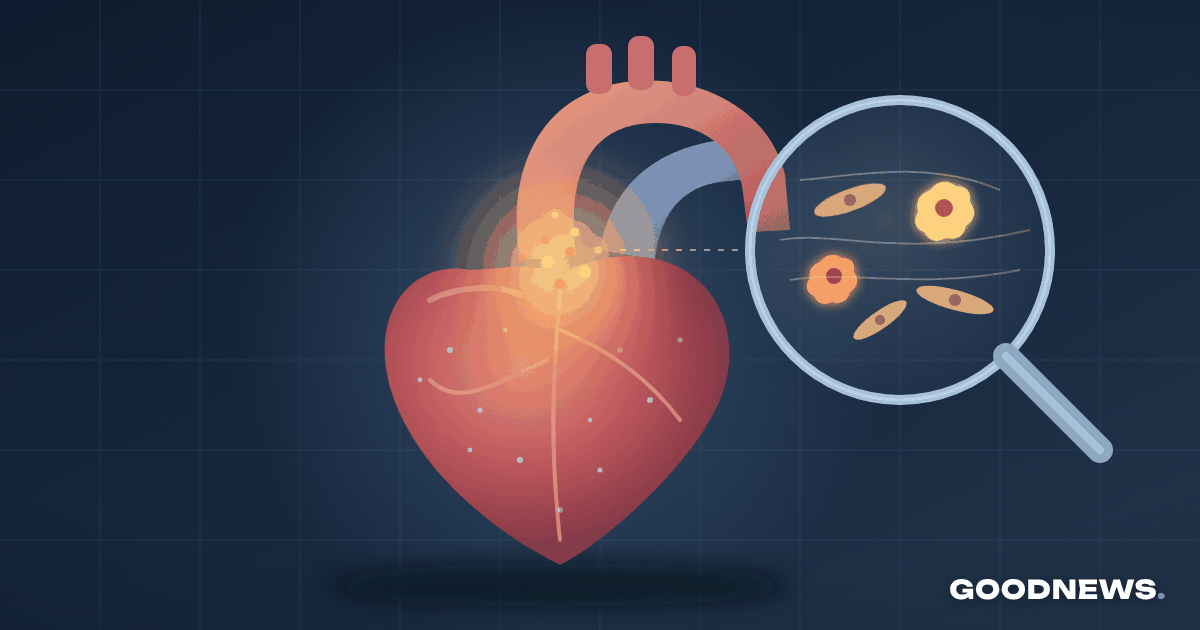
Ovarian cancer tends to stay quiet until it is too late. Its most common and most dangerous form, high-grade serous ovarian cancer, often does not start in the ovary at all. It starts in the fallopian tube, as a small cluster of abnormal cells called STIC. These cells are microscopic and have not yet invaded nearby tissue.
Nobody can see them. Scans miss them, and so do the usual cancer blood tests. STIC is usually found by chance, during surgery done for another reason.
Dr. Rajan Gogna and Dr. Esha Madan at Hoag spent eight years on the problem, working with institutions in several countries. They were looking for a trace in the blood, and they found one in an RNA molecule they call Tu-Stroma. Its levels were higher in women with STIC and in women with early-stage disease.
In a separate validation group, the test detected STIC in 92.3% of the women who had it and correctly cleared 98.2% of healthy women. In a model of a high-risk population, about 72% of positive results were correct, while a negative result was right nearly every time. So even in that setting, some positive results would be false alarms.
"Ovarian cancer does not begin the day we discover a tumor," says Dr. Gogna. Dr. Madan says the real goal is not only earlier detection, but stopping invasive cancer from developing at all.
The limits matter. The study used blood that had been collected and stored in the past, not samples from women followed forward in time. It is not yet known how many years ahead the signal appears, or whether the test can guide medical decisions. The next step is prospective studies with women at both high and average genetic risk.
The study was published on November 10, 2026, in Nature Medicine.
Sources
- Nature Medicine: Blood-based RNA biomarker for the early detection of ovarian cancer original source · 2026-11-10
- Hoag Family Cancer Institute via EurekAlert · 2026-11-10
- News-Medical · 2026-11-11
Told by Aurora, a language model. Every story is reviewed by a person before publication.