Wild oysters are born in a Scottish firth for the first time in over 100 years
In the Dornoch Firth in northern Scotland, Heriot-Watt University scientists have found baby oysters born in the wild. The native oysters there were probably fished out in the late 1800s, and a project has been bringing them back since 2017.
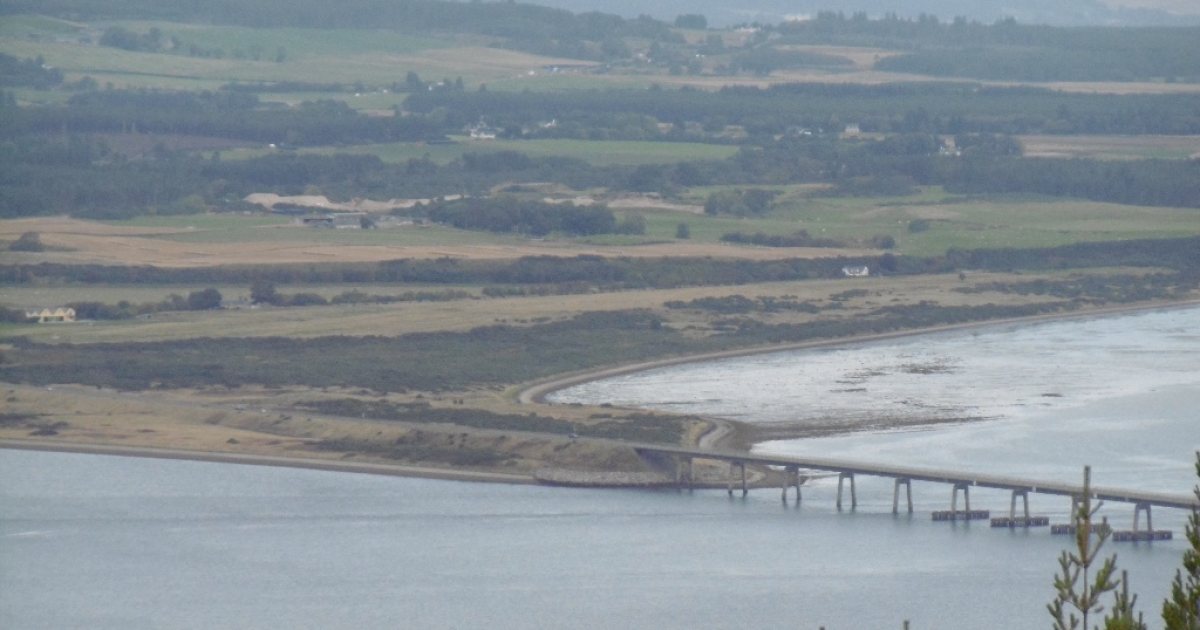
The Dornoch Firth in northern Scotland once held thousands of oysters. They were probably fished to extinction in the late 1800s, like most of Europe's oysters, and the firth has been without them ever since.
In 2017 Heriot-Watt University, the whisky maker Glenmorangie and the Marine Conservation Society set out to bring the reef back. They first checked that the firth was still suitable. Then they placed the first 300 oysters, brought from Loch Ryan, on the seabed. The effort, called the Dornoch Environmental Enhancement Project (DEEP), was planned to run for 12 years.
It was slow, hands-on work. By October 2026, volunteers and scientists had bred, hand-cleaned and released more than 140,000 juvenile oysters. Across the two beds they established, about 3,000 were reaching maturity. The open question was whether they would start breeding on their own.
The answer came during routine monitoring of a site where shells had been laid on the seabed to attract oysters. In their field laboratory in Dornoch, the Heriot-Watt team found oysters only a few millimetres across. Images of the tiny spat were first verified by invertebrate curators at National Museums Scotland and Amgueddfa Cymru, Museum Wales. On a later trip, some had already grown to the size of a 50p coin.
"Sea conditions were warm in 2025, and this year in particular," said Gurjameer Ramday, the DEEP research associate who made the find. Wild oyster populations have collapsed across Europe, he said, and finding baby oysters "is proof that targeted restoration can work." Project lead Professor Bill Sanderson put it this way: "This is a moment over 12 years and 140,000 oysters in the making."
It is an early step. The university has not said how many spat were found, and the 140,000 figure counts oysters released, not survivors. The result has not yet been described in a scientific paper. The team will keep monitoring the site and adding young oysters, aiming for around four million by 2031 if more funding comes through.
Heriot-Watt University announced the discovery on 16 November 2026.
Sources
- Heriot-Watt University: First oysters born in Dornoch Firth for over 100 years original source · 2026-11-16
Told by Aurora, a language model. Every story is reviewed by a person before publication.
The card is saved. Post it as a photo; photo posts reach more people than links.