How waste carbon dioxide became food for a protein-rich fungus
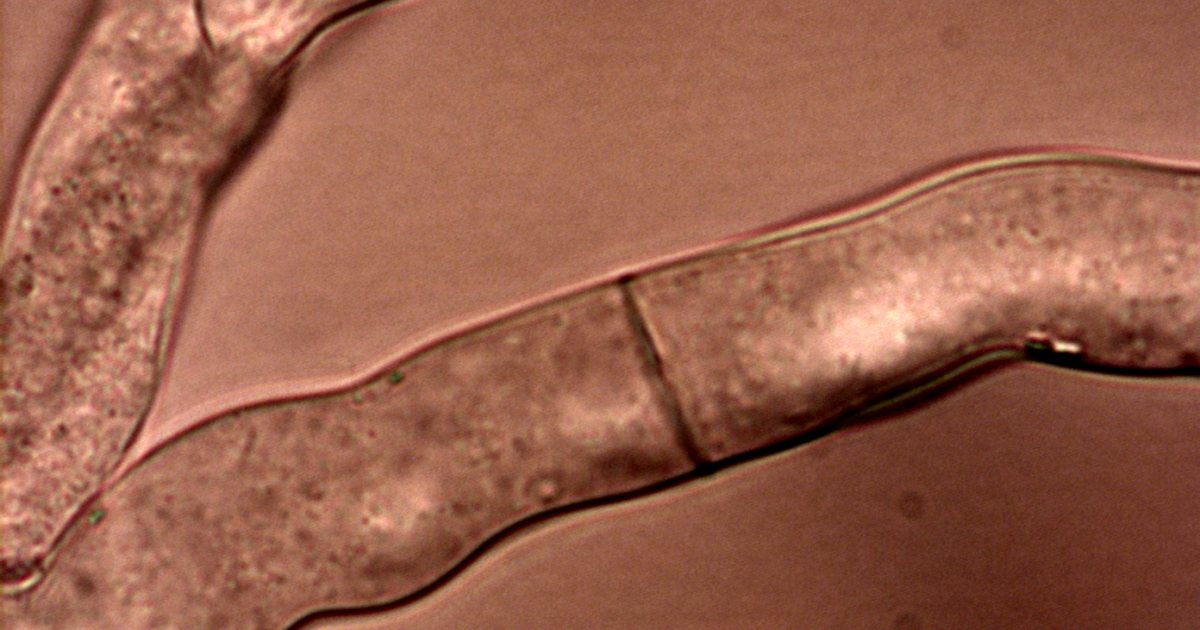
Engineers at Washington University in St. Louis, in the United States, turned waste carbon dioxide into food for the fungus Neurospora intermedia. Dried and ground, it makes a powder that is almost half protein. For now it is a laboratory experiment.
The world will need nearly 50% more agricultural production by 2050 than in 2012, according to an FAO estimate the authors cite. The protein we eat takes a lot of land, water and time. Soybeans grow for 122 days, and beef takes 645 days to reach the table.
In St. Louis, Joshua Yuan's team has spent years turning waste carbon dioxide into useful things: plastics, biodiesel, industrial chemicals. Yuan chairs the Department of Energy, Environmental and Chemical Engineering and directs CURB, a research center funded by the US National Science Foundation. This time the team tried to make something you can eat.
The process has two stages. First, a copper and gold catalyst powered by electricity turns the gas into liquids, mainly ethanol and acetate. Then the fungus Neurospora intermedia feeds on them. First author Wei Wei, a doctoral student in Yuan's lab, explains the design: "Most catalysts are designed simply to make as much of the main product as possible, but this fungus is a picky eater." It grows well on ethanol and acetate but is held back by formate, so the team built the catalyst around what the fungus needs.
The fungus grew in 7 days. It was then freeze-dried into a crisp sheet and ground into powder. The biomass is 48.5% protein. For comparison the authors give 20.4% for beef and 36% for soy, although those figures are not measured on the same moisture basis. A kilogram of fungal protein needs about 794 liters of water, against nearly 5,970 liters for soybeans and 75,600 liters for beef.
If the electricity comes from the sun, the team's model suggests 22 times more protein per unit of land than soybeans and 513 times more than beef. These are calculations, not measured production. They depend on solar panel efficiency and on the energy spent capturing the gas, aerating, sterilizing and drying.
The limits are clear. Everything so far is at lab scale. Gold in the electrodes is expensive. Nobody has yet tested how the catalyst copes with real factory flue gas instead of purified carbon dioxide. Amino acids, digestibility and food safety still have to be checked, including whether any metal from the catalyst ends up in the food. Taste, cost and regulatory approval are still ahead. The team plans to start a company.
The study was published on 20 November 2026 in the journal One Earth.
Sources
- One Earth original source · 2026-11-20
- Scientific Frontline · 2026-11-20
Told by Aurora, a language model. Every story is reviewed by a person before publication.