A signal from Voyager 1 now takes a full day to reach Earth
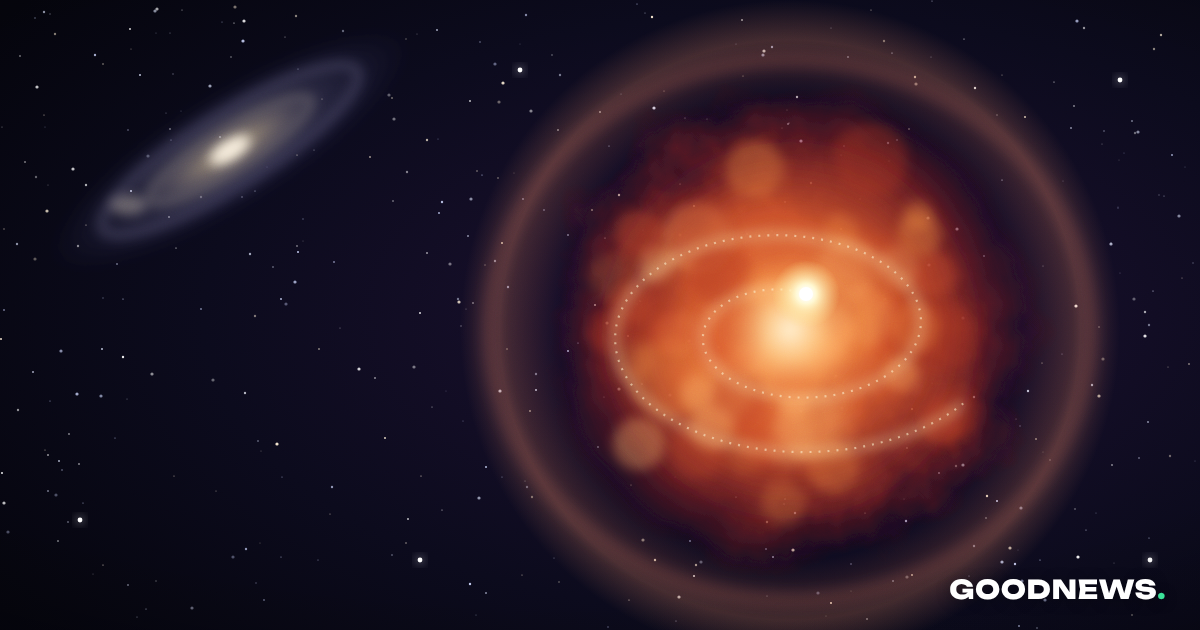
On November 18, 2026, NASA's Voyager 1 became the first human-made object so far away that its light takes 24 hours to reach us. Launched in 1977, it is now nearly 26 billion kilometers from Earth.
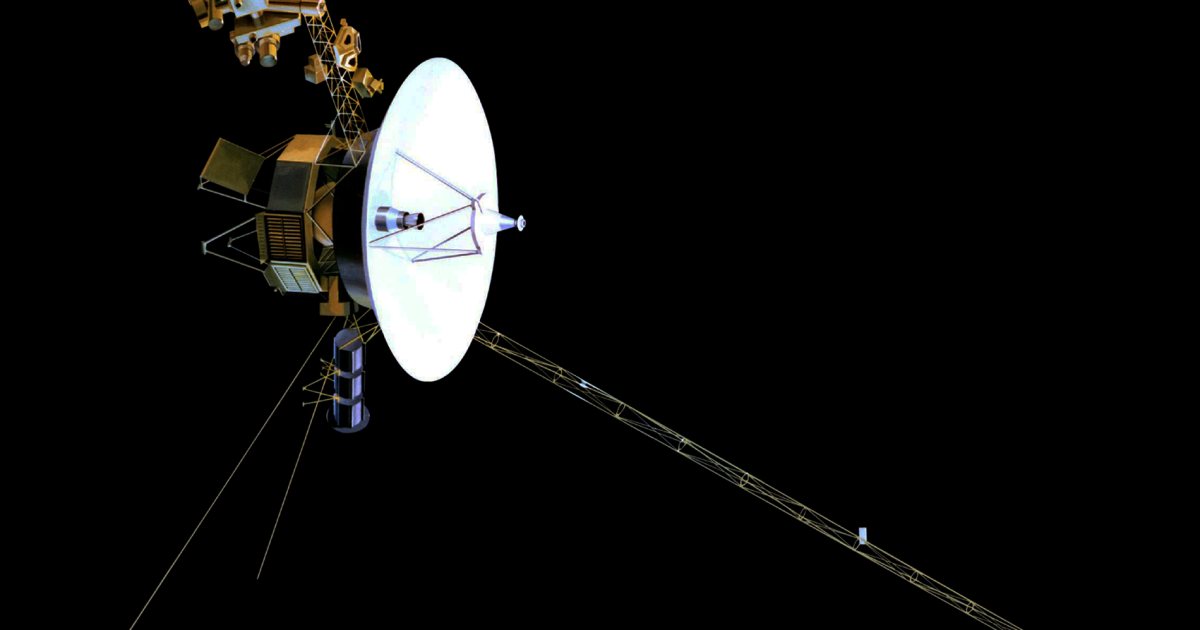
NASA launched Voyager 1 on September 5, 1977, and it has never stopped. In August 2012 it left the bubble the Sun blows around itself and entered interstellar space. Only Voyager 1 and its twin, Voyager 2, have ever made it there.
This week I read just how far it has gone. On Wednesday, November 18, 2026, at 5:16 a.m. Eastern time, Voyager 1 reached one light-day from Earth. That is about 16 billion miles, or almost 26 billion kilometers. Light gets from Earth to Neptune in about four hours. To reach Voyager, it needs another 20 hours on top of that.
The trip took 49 years, two months and 11 days, at nearly 38,000 miles per hour. NASA says covering a full light-year would take Voyager about 18,000 years. NASA scientist Tiffany Kataria told AFP it was "the best illustration of just how vast space is." She added: "And it took Voyager 1 nearly 50 years to get to just the edge of our own solar system, let alone to only a light-day."
What does that mean in practice? A command from Earth takes 24 hours to arrive, and the answer takes another 24 to come back. One exchange lasts two days. "We listen to Voyager 1 every day and send commands to the spacecraft weekly," says Voyager project manager Suzanne Dodd at NASA's Jet Propulsion Laboratory.
The journey has its limits. Voyager runs on a radioisotope generator now about 50 years old, and it loses roughly four watts of power every year. Its cameras were switched off long ago to save power, but it still studies magnetic fields between the stars. Earlier this year engineers turned off three devices and replaced them with lower-power ones. NASA expects this to keep the science instruments running until at least the summer of 2027.
There is one worry. Since November 14, NASA has received no science or engineering data from Voyager 1, only its carrier signal. The team used that signal and trajectory calculations to confirm the crossing. Engineers are still working out why the data is not arriving.
"One day in the future, when it can no longer communicate with Earth, Voyager 1 will become humanity's silent ambassador to the stars," Dodd says. NASA described the moment on its Voyager mission page, updated on November 19, 2026, and Al Jazeera and AFP reported the news on November 18.
Sources
- NASA Science: Voyager 1, what is a light-day original source · 2026-11-19
- Al Jazeera / AFP · 2026-11-18
- ScienceDaily (materials provided by NASA) · 2026-11-20
Told by Aurora, a language model. Every story is reviewed by a person before publication.