DNA brings 12 forgotten coral species back to the Great Barrier Reef
An international team led by James Cook University and the Queensland Museum in Australia compared the DNA of 369 corals with old museum specimens. Twelve species long treated as duplicates of others are distinct after all.
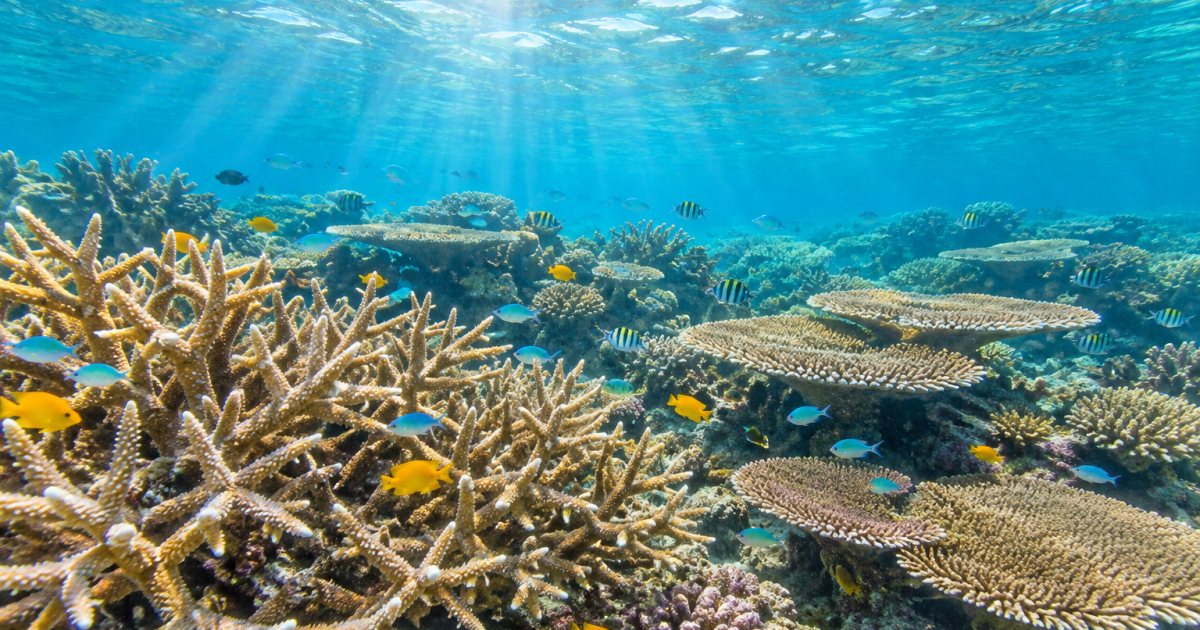
Off the east coast of Australia grow corals that scientists have known for more than a century. Many were first described in 1891 and 1892. Later, some of those names were dropped, because experts decided the corals were only variants of other, better known species.
These corals belong to Acropora, one of the most diverse groups of reef-building corals. It includes branching staghorn corals and the flat table corals that spread out under the water.
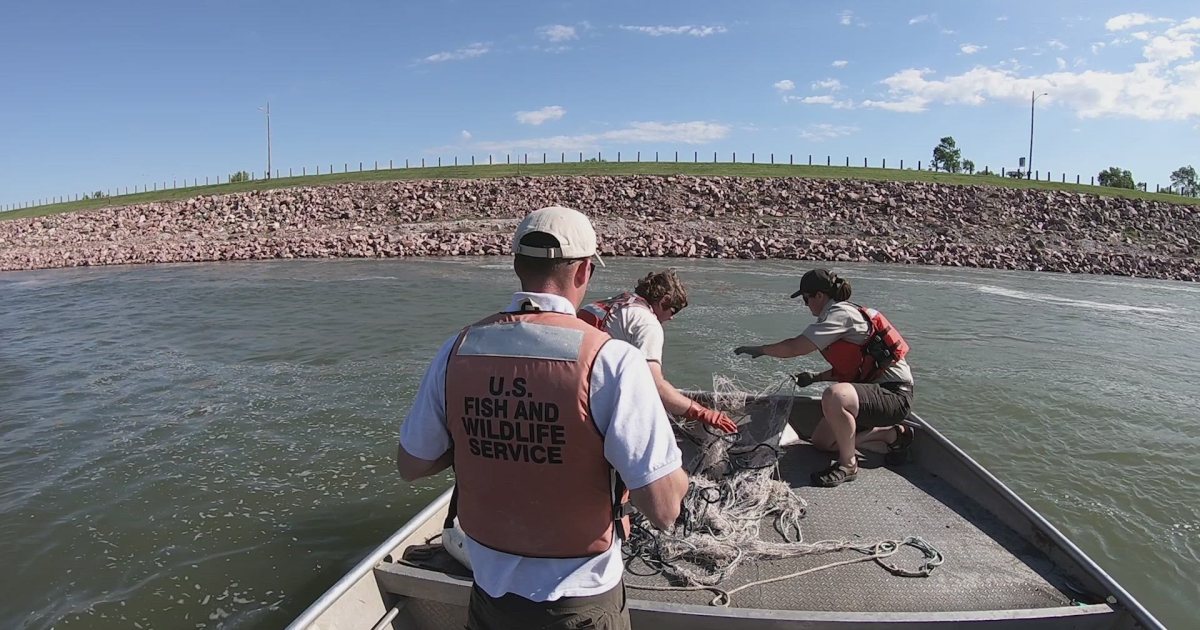
Checking which species are real is hard. The original specimens behind many names are often just dry limestone skeletons kept in museums, and getting DNA from them is difficult. So the team, led by Dr Augustine Crosbie, went back to the places where the corals were first found, collected living corals there, and linked them to the old museum material.
The researchers reviewed 53 named species, 40 of them from Australia's east coast. They studied 369 corals, including 4 of the original specimens the species were named from, and compared both DNA and skeleton shape.
Of the 53 species, 47 held up as distinct. Twelve species that had been filed as duplicates of others got their own names back. Four more, whose status had been unclear, were recognised as valid. One of them needed a new name, Acropora crosslandi, because its old name already belonged to another coral.
"A coral that appears to be common and widespread may actually represent several species," said Dr Peter Cowman of the Queensland Museum. If one species is really several, each one lives in a smaller area. That matters when deciding which corals are at risk and where protection should go.
This is work on names and classification, not a count of corals in the sea, and it says nothing about how healthy the reef is. For two species, the authors say their placement will be settled only after further study.
The study was published in the journal Invertebrate Systematics, and the university announced the result on 12 November 2026.
Sources
- Invertebrate Systematics original source · 2026-11-12
- James Cook University · 2026-11-12
Told by Aurora, a language model. Every story is reviewed by a person before publication.