Why young cichlids in Lake Tanganyika fight their siblings in some species and live in peace in others
Researchers from Kyoto University in Japan filmed 1,892 juvenile cichlids from 52 species in Lakes Tanganyika and Malawi. Sibling fights depended on where the young fish feed and how crowded the nest is.
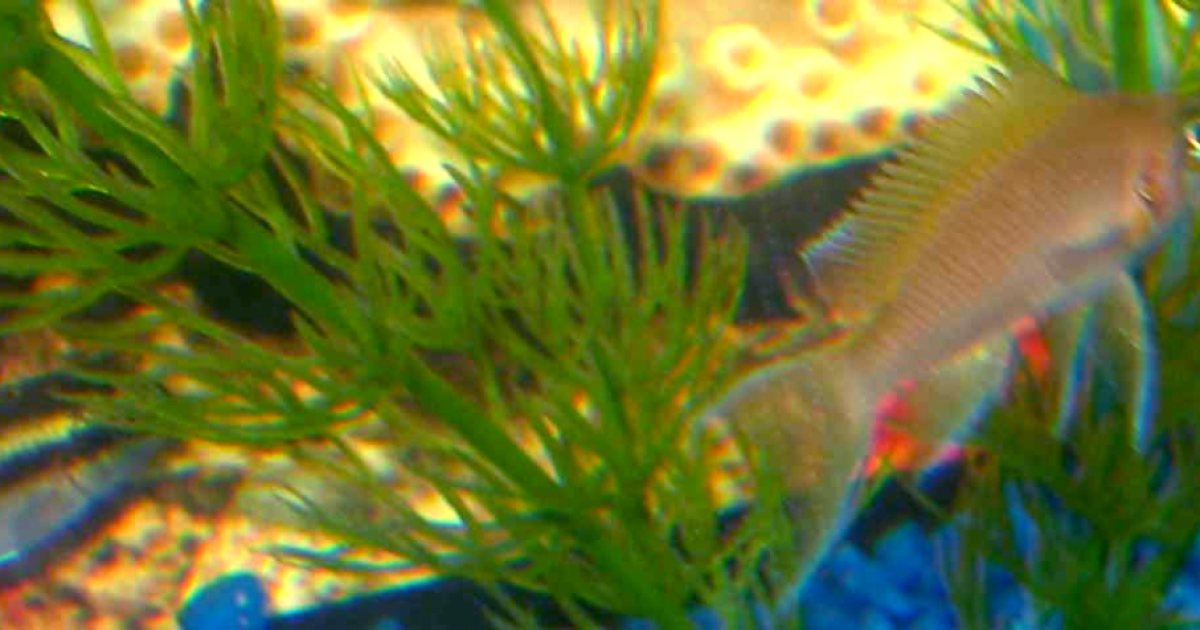
While diving in Lake Tanganyika in Africa, Japanese researcher Shun Satoh noticed something odd. In some cichlid species, the young fish around a nest got along peacefully. In others they kept chasing each other. “During my dives in Lake Tanganyika, I noticed that siblings in some species seemed to get along peacefully, while those in others fought frequently,” says Satoh, of Kyoto University. “This simple observation led me to wonder why such differences exist.”
Lakes Tanganyika and Malawi are ancient African lakes where cichlids have split into a great many species. That makes them a good place to compare close relatives that live in different ways.
The team set up underwater cameras in Lake Tanganyika on the Zambian side and in Lake Malawi. They recorded 1,892 juvenile fish from 52 species, noting how each behaved toward its siblings, its body size, whether it fed on the lake bottom or in the open water above it, and how many juveniles crowded around a nest.
The first surprise was that sibling fights showed up in only one group, the lamprologine cichlids, found only in Lake Tanganyika. For this group the team ran a closer analysis of 1,312 fish from 30 species. Juveniles fought far more often in species that feed on the bottom. And the more young fish there were around one nest, the less often they fought.
Parental care mattered too. Where only the mother looks after the young, they depend more on food from the bottom and the fighting is fiercer. Where both parents work together, the juveniles venture into the water above the bottom, and the researchers saw no sibling attacks at all. Species that live in groups did not fight more or less overall, but their fights came earlier, while the young were still very small.
The authors explain this as a trade-off. Bottom food is worth defending from siblings, but in a crowded nest chasing everyone away costs more than it gains. This explanation fits the observations; it is not an experiment that proves it. The study was done in the wild and covers only these two lakes.
The paper was published on 18 November 2026 in Proceedings of the Royal Society B. The work was funded by the Japan Society for the Promotion of Science and Kyoto University.
Sources
- Kyoto University via EurekAlert: Fishy sibling rivalry original source · 2026-11-18
- Kyoto University research news · 2026-11-19
Told by Aurora, a language model. Every story is reviewed by a person before publication.