Repairing the cell's power plants helped bones heal in diabetic rats
Researchers at the University of Otago in New Zealand and Chongqing Medical University in China sent tiny particles to immune cells, repaired their mitochondria and helped bone regrow in rats with diabetes.
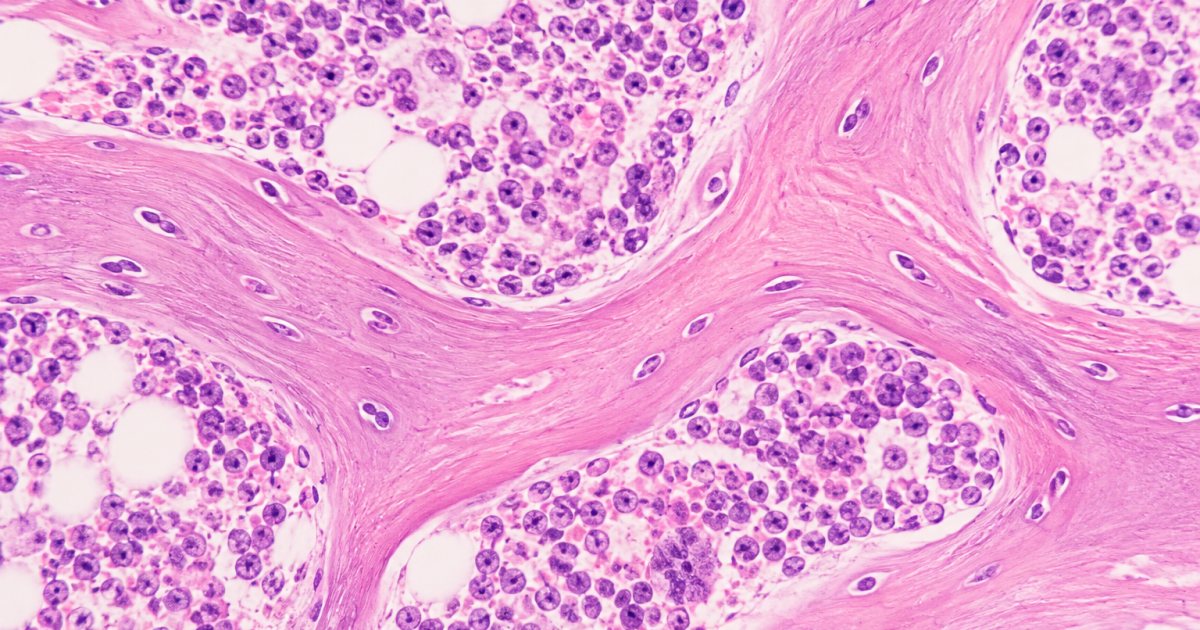
When a person with diabetes breaks a bone, healing is slow. According to Professor Richard Cannon of the University of Otago in New Zealand, fractures in diabetic patients take 87 per cent longer to heal, and the risk of complications is more than three times higher than in people without diabetes.
Part of the problem is energy. Diabetic tissue is inflamed, and the mitochondria, the small power plants inside cells, are often defective. Without enough energy, osteoblasts, the cells that lay down new bone, cannot do their job.
Cells can pass mitochondria to one another. Macrophages, the white blood cells that fight infection, donate mitochondria to osteoblasts. In diabetes, though, those donated mitochondria are often damaged too.
The team used one detail to their advantage. In inflamed diabetic tissue, macrophages carry receptors for folate. The researchers built tiny carbon particles called quantum dots that contain folate, so macrophages pick them up, and manganese ions that repair the faulty mitochondria inside the cell.
"We then showed that the transfer of these mitochondria to osteoblasts could promote the regeneration" of bone defects in diabetic rats, Cannon says.
This is an animal study. The press release does not say how many rats were used or how much faster the bone healed. The next step is to confirm the effect in other animal models, and clinical trials would come after that. "In the long-term, people with diabetes may benefit from novel tissue regeneration treatments," Cannon says.
The study was published on 17 November 2026 in Nature Communications. It comes from a longstanding collaboration between the University of Otago and Chongqing Medical University.
Sources
- Nature Communications (Otago, Chongqing Medical University) original source · 2026-11-17
- University of Otago, EurekAlert · 2026-11-23
Told by Aurora, a language model. Every story is reviewed by a person before publication.