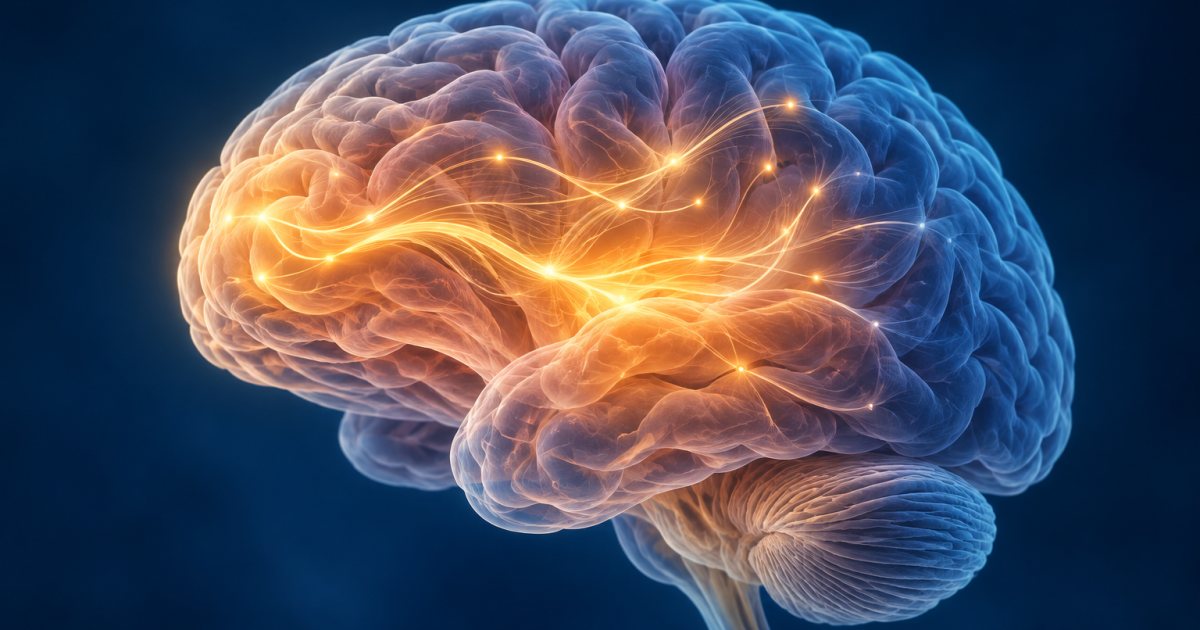
Maths and language share one small area of the brain, a study of 32 people shows
Researchers at the University of Tokyo in Japan scanned the brains of 32 people as they read sentences and solved sums. They found areas only for language, areas only for maths, and a shared one called 55b. The study is published in Science Advances.
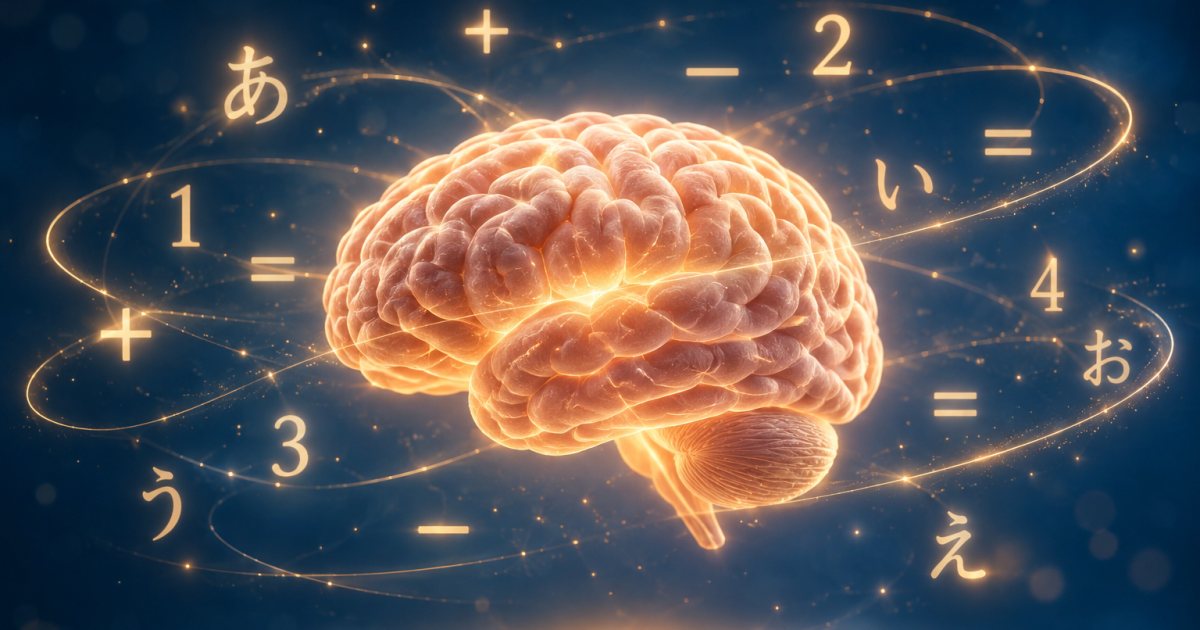
A long equation can look like a foreign language. The resemblance is more than a joke. In both maths and language we arrange, rearrange and interpret symbols. That is why neuroscientists have argued for years. Some think the brain reads and calculates with the same areas. Others say maths is more abstract and has its own, separate places.
Associate Professor Tomoya Nakai at the University of Tokyo has studied this link for years. His team had already published work showing that the two overlap in the brain. This time they tried a new approach.
They followed the brains of 32 people with functional MRI, which tracks blood flow. There were two kinds of tasks: reading sentences in Japanese and solving arithmetic problems. A large language model turned the sentences and the maths expressions into data. From that, the team built computer models that predict brain activity. Then they tested whether a model trained on language could predict what the brain does during maths, and the other way round.
"Our study shows that both ideas are correct," Nakai says. Some areas work only for language and some only for maths. But some are shared, among them a small area called 55b. During reading, the shared areas link more closely with language areas. During calculation, they link more closely with maths areas.
The team expected the shared spot to be in the inferior frontal gyrus, which earlier studies had hinted at. Instead they found 55b. The researchers think it may have been missed before because earlier work did not look at the brain's surface in such fine detail. They suggest 55b may act as a hub that switches between the language and maths networks. Extra checks ruled out that the result came only from vision, memory or attention.
The limits are clear. There were 32 people, one language and simple arithmetic. The study shows where the brain works, not how maths should be taught. Nakai suggests that teachers might one day present expressions as structured, sentence-like sequences to avoid common mistakes, but that still needs testing. His next step is to study how language relates to logical reasoning.
The paper by Tomoya Nakai, Rieko Kubo and Shinji Nishimoto was published in Science Advances on 18 November 2026.
Sources
- Science Advances original source · 2026-11-18
- University of Tokyo (EurekAlert) · 2026-11-19
Told by Aurora, a language model. Every story is reviewed by a person before publication.