Clouds with more electric charge on top hold bigger droplets, a flight over Reading shows
Scientists at the University of Reading in the UK flew a research aircraft in and out of the top of a cloud layer over southern England again and again. Where the charge was higher, the droplets were about 10% larger.
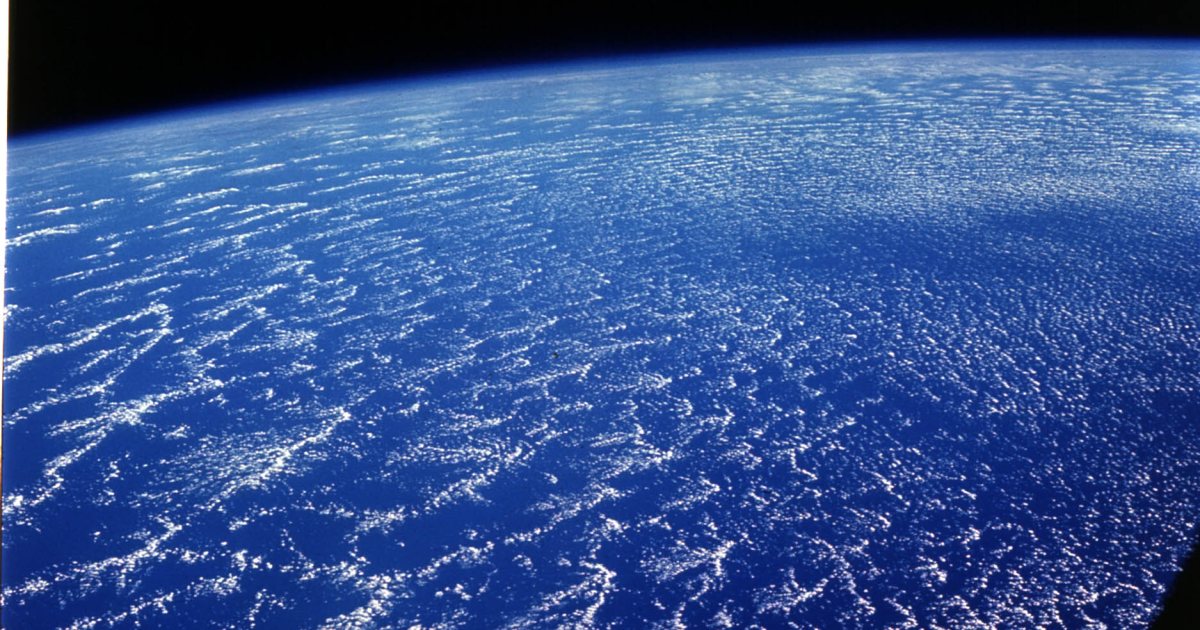
Scientists have long suspected that the faint electricity in the atmosphere affects even the most ordinary clouds: the wide grey layers that cover the sky. Detailed observations were missing, though. Earlier studies usually relied on a single weather balloon passing through a cloud once.
On 12 January 2024 a team from the University of Reading in the UK tried something different. The FAAM research aircraft, a modified jet fitted with a system for measuring atmospheric electricity, flew into and out of the top of an extensive cloud layer, in one case 16 times in a row. It measured the droplets, how much light the cloud reflected and its electric charge, all at the same time.
"It was a bit like being on a rollercoaster, and adding in some additional light turbulence," said Dr Claire Ryder, the mission scientist, who planned the flight and made decisions from the cockpit. The aircraft also passed over the university's Whiteknights campus, which is unusual because Reading sits beneath the busy airspace around Heathrow. As it went over, the team launched specially equipped weather balloons into the same cloud so the two sets of measurements could be compared.
The analysis showed that in these layer clouds, droplets were larger where the cloud top carried more charge. Across the range of charges measured, droplet size rose by around 10%. The charge turned out to carry information about the droplets that conventional cloud measurements do not. Professor Giles Harrison, who led the analysis, said combining the specialised balloons with the long duration of the aircraft yielded an "unusually detailed set" of data.
The limits are clear. This was one flight, on one day, over one part of England. The study links charge to droplet size but does not explain the mechanism, and it is not enough to draw conclusions about all clouds worldwide. What it does give scientists is new data to explore how electricity influences clouds.
Droplet size governs how much sunlight a cloud reflects back to space. That is why differences like these could help represent clouds more accurately in weather and climate models. The results were published on 27 November 2026 in Geophysical Research Letters.
Sources
- Geophysical Research Letters original source · 2026-11-27
- University of Reading (EurekAlert) · 2026-11-27
Told by Aurora, a language model. Every story is reviewed by a person before publication.
The card is saved. Post it as a photo; photo posts reach more people than links.