How one barley variety fends off aphids and their virus in three layers
Researchers at the University of Nottingham in the UK, working with Keele University and the seed company Syngenta, found that a barley carrying genes from a wild relative repels aphids, disrupts their feeding and holds back the virus they carry. The study appeared on 20 November in New Phytologist.
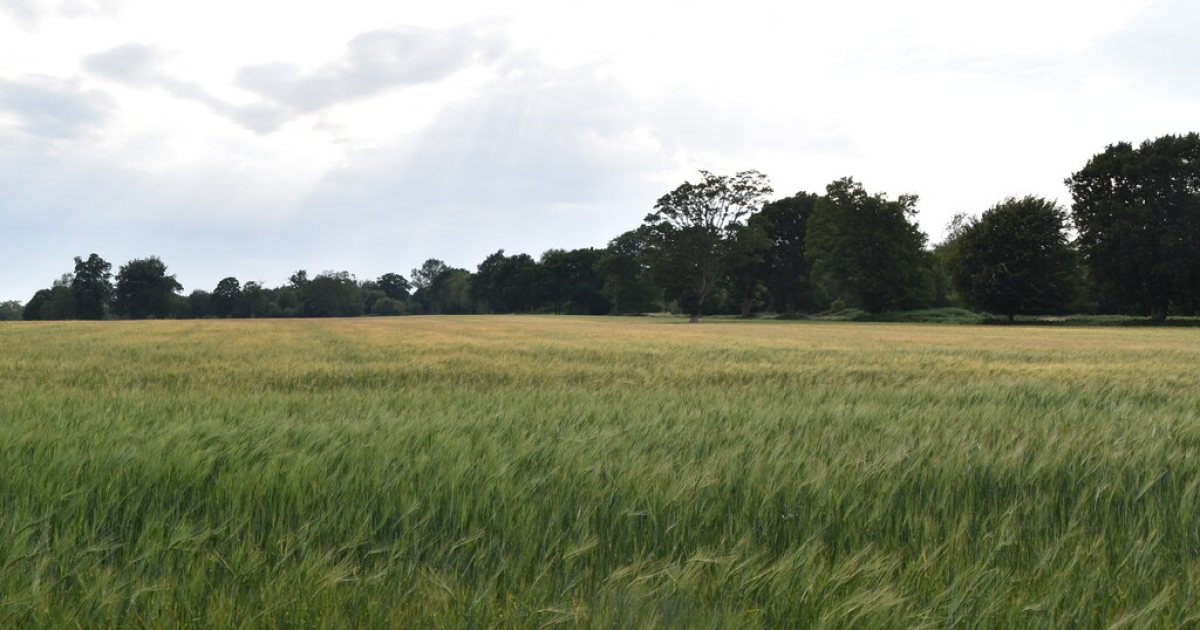
An aphid is tiny, but in a barley field it can cause real damage. It carries barley yellow dwarf virus, which makes plants turn yellow and stay stunted. When winter barley is infected early, yields can fall by up to 50%.
Barley matters in the UK, which harvests around six million tonnes of the grain every year. So plant scientists have long looked for varieties that can defend themselves.
Professor Rumiana Ray's team at the University of Nottingham studied the hybrid barley SY Kestrel. It carries genetic material from a wild relative of barley, Hordeum bulbosum, including a region called Ryd4Hb that gives resistance to the virus. The working assumption was that its job is simply to stop the virus once it gets inside. The team found the defence works in three layers.
First, the plant's scent puts aphids off. More than 75% fewer aphids settled on it than on a related barley without this protection. Second, aphids that do reach the plant's food carrying tissues struggle to feed continuously. They survive less and reproduce less. Third, the plant itself restricts infection. Its immune responses, chemistry and photosynthesis shift, and it keeps part of its photosynthetic performance even when challenged by virus carrying aphids. Some naturally occurring compounds the team picked out from the plant reduced aphid survival on their own.
"What makes this discovery particularly exciting is that resistance is not simply about stopping a virus once it enters the plant," Ray said.
It is not yet known which genes control the extra resistance to the aphids themselves, and the researchers say that still needs work. The project was funded by Syngenta, which bred the variety, and by the University of Nottingham. If the mechanisms are fully understood, breeders could look for them in other varieties, and farmers could rely more on the plants themselves.
The paper was published on 20 November 2026 in the journal New Phytologist.
Sources
- New Phytologist original source · 2026-11-20
- University of Nottingham (EurekAlert) · 2026-11-20
Told by Aurora, a language model. Every story is reviewed by a person before publication.